Exploring the Latest Research on NAD+ and Longevity
Discover the latest advancements in NAD+ research, its implications for longevity, and insights from peptide clinical trials.
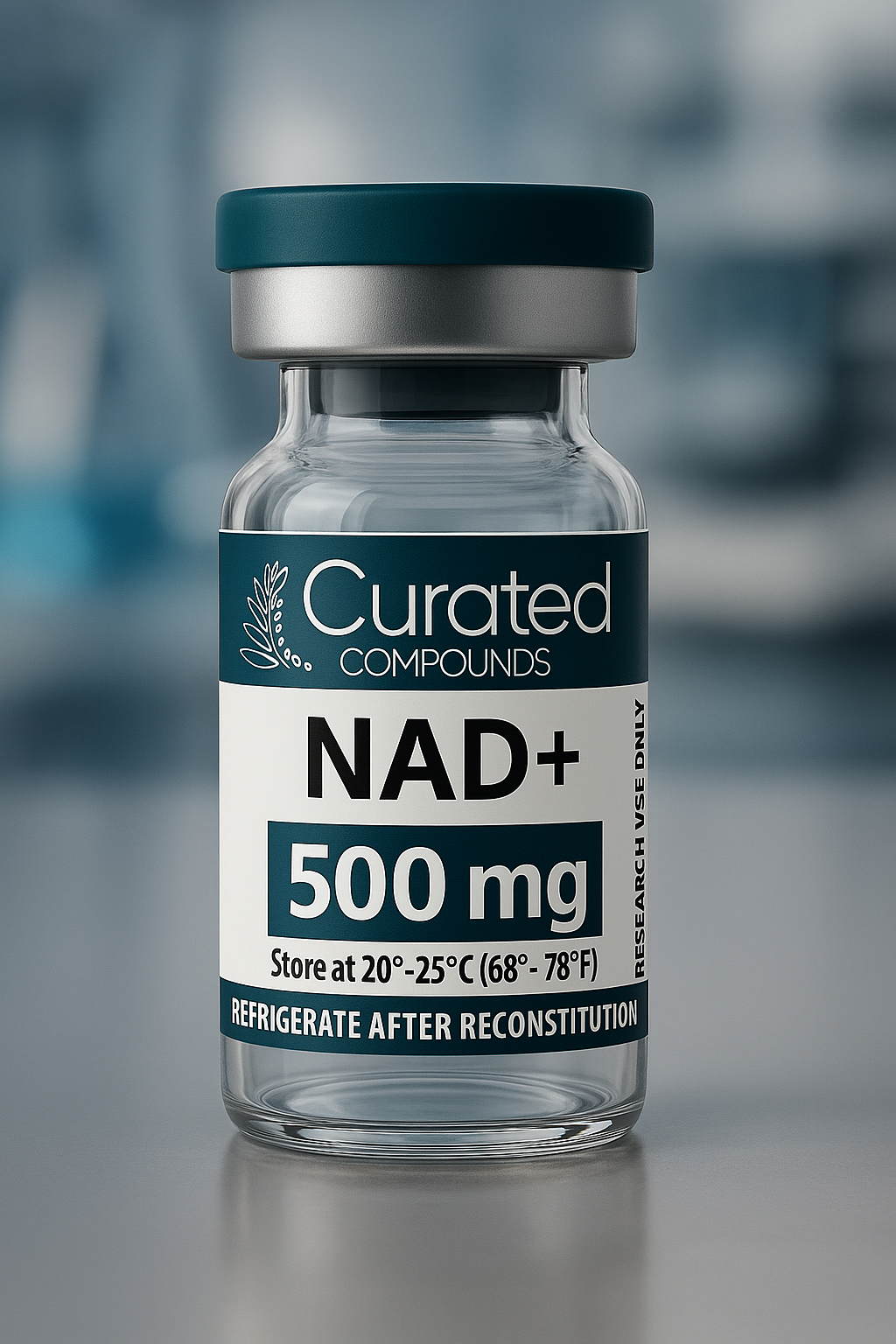
Introduction to NAD+ Research Nicotinamide adenine dinucleotide (NAD+) is a crucial coenzyme found in every cell of the body, playing a vital role in metabolic processes [10]. Recent studies have focused on NAD+ due to its potential implications in lifespan-related research outcomes and cellular health [9]. This article delves into the latest NAD+ research and its potential applications in laboratory settings [4]. NAD+ and lifespan-related research outcomes Research indicates that NAD+ levels naturally decline with age, potentially contributing to age-related physiological declines. Studies suggest that maintaining or boosting NAD+ levels could support cellular repair mechanisms and improve lifespan-related research outcomes in laboratory settings [1]. In vitro research has demonstrated that NAD+ supplementation can enhance the activity of sirtuins, a family of proteins associated with aging and lifespan-related research outcomes [9]. These findings have led to increased interest in understanding how NAD+ might be leveraged to promote healthier aging in laboratory environments. GLP-1 and changes in body composition observed in studies While NAD+ research is primarily focused on lifespan-related research outcomes, it is also important to consider related compounds like glucagon-like peptide-1 (GLP-1). Recent studies have explored the use of GLP-1 in weight management, showing promising results in laboratory settings [3]. Research indicates that GLP-1 can influence appetite control and energy metabolism, which may contribute to changes in body composition observed in studies. However, it is critical to note that these findings are intended for research purposes only and not for research application use [2]. Insights from Peptide Clinical Trials Peptide research is another rapidly growing field, with several clinical trials currently investigating their potential applications. Peptides such as those influencing NAD+ pathways are being studied for their roles in various biological processes, including immune response and tissue regeneration [4]. Early-stage trials have shown that peptides can mimic the effects of naturally occurring molecules in the body, offering insights into new research application pathways. However, all findings are preliminary and intended for in-vitro research only [4]. Concluding Thoughts on NAD+ Research The exploration of NAD+ and related compounds continues to be a promising area of research [4]. While findings from studies are encouraging, they remain within the scope of laboratory and in-vitro research [4]. The ongoing investigations aim to further uncover the potential of NAD+ for cellular health and lifespan-related research outcomes [9]. This content is for educational and research purposes only. All products mentioned are intended for in-vitro research and laboratory use only [16]. References Xie X, Xu H, Shu R et al. Period3 modulates the NAD(+)-SIRT3 axis to alleviate depression-like behaviour by enhancing NAMPT activity in mice. Journal not available. 2023. PMID: 39894345 Ding YN, Wang HY, Chen XF et al. Roles of Sirtuins in Cardiovascular Diseases: Mechanisms and Therapeutics. Journal not available. 2023. PMID: 40014680 Musai J, Mammen AL, Pinal-Fernandez I. Recent Updates on the Pathogenesis of Inflammatory Myopathies. Journal not available. 2023. PMID: 39316320 Gouveia BG, Rijo P, Gonçalo TS et al. Good manufacturing practices for medicinal products for human use. Journal not available. 2023. PMID: 25883511 Wu S, Snajdrova R, Moore JC et al. Biocatalysis: Enzymatic Synthesis for Industrial Applications. Journal not available. 2023. PMID: 32558088